

Why are OTT platforms being selective with Telugu films?
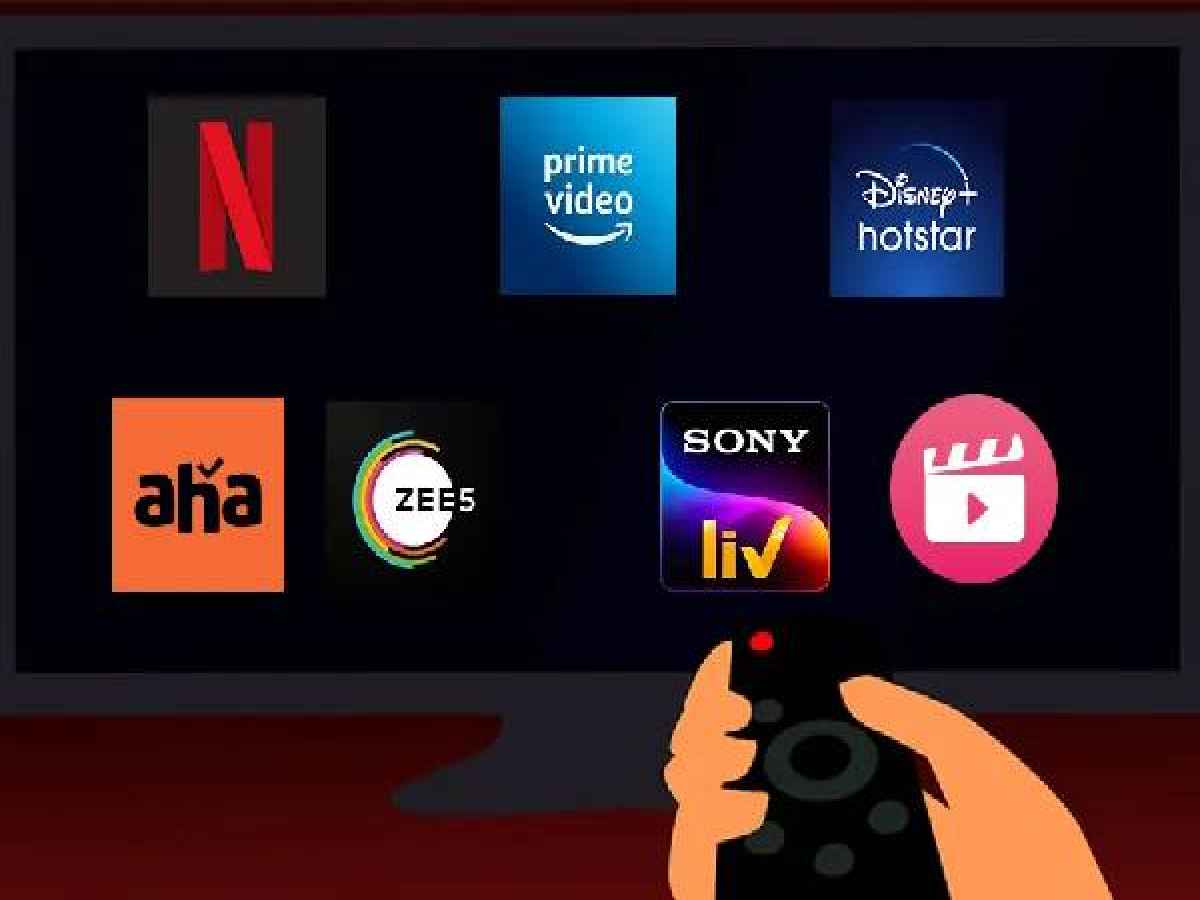
In recent years, the digital streaming market has grown rapidly in India. Platforms like Amazon Prime Video and Netflix have become major players, even showing interest in regional films including Telugu movies. These platforms have opened offices in Mumbai and have dedicated teams for South Indian languages to manage content and film deals.
At first, the arrival of OTT platforms was seen as a big opportunity by many producers. They believed that digital platforms would buy most films, big or small. Encouraged by this trend, Telugu film producers started making more movies, especially in 2023 and 2024. The number of Telugu films has almost doubled compared to 2021 and 2022.
However, things have started to change. Now, platforms like Netflix and Amazon Prime are becoming more selective. With so many films being made, they have more choices and are only picking movies with strong content, popular actors, or buzz in the market. As a result, many small-budget films are struggling to find buyers.
Another trend is the rise of the pay-per-view model. Instead of buying the rights outright, some OTT platforms are offering to stream small films on a rental or pay-per-view basis. This puts producers at risk, as there’s no guaranteed income from such releases. Many producers are finding it hard to cover their costs unless the film performs well online.
Digital platforms are also changing their terms and putting in new rules, which has made it harder for producers to close deals easily. Some filmmakers feel frustrated, but experts say the focus should now shift toward making quality films.
Instead of blaming OTT platforms, it is important for filmmakers to understand the market trends. Only well-made, engaging films are likely to get attention from digital platforms. Producers must adapt to this changing scenario by focusing more on script quality and audience interest.
In short, OTT platforms are being choosy because they have more options. Filmmakers need to respond by improving content and keeping up with what the audience wants.